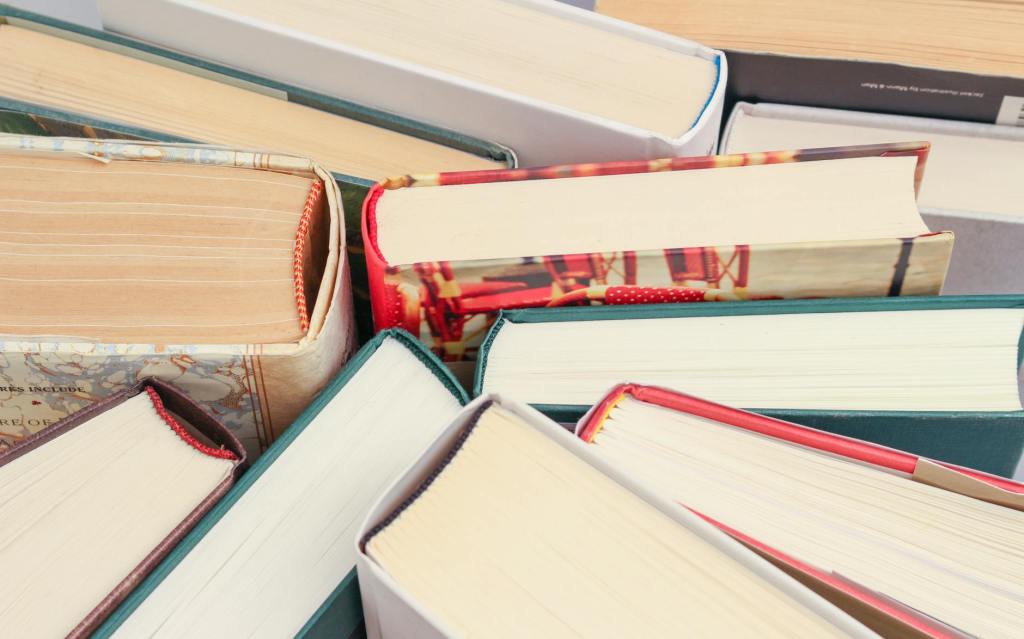
I challenged myself to read 12 memoirs in 2025, and ended up reading 13. Each of these books resonated with me in its own way. I’ve listed them below for you to see, in case one of them sparks interest.
Some share themes that appear in my own memoir: healing trauma, resilience, caregiving, showing up for one another, navigating between love and self-sacrifice.
Some memoirs took the form of essays around a theme. Others told a narrative. One illuminated its story through illustration, a graphic novel. I read the thirteenth memoir as a beta reader, so hopefully it will be available later this year.
I took away something from each of these memoirs, as a mother, a daughter, a single woman, a formerly married woman, a feminist. I related to family secrets, brushes with death, healing complex trauma, love of nature.
These books took me to Paris, led me down rivers, brought me back in time to Auschwitz. Each one of them gave me a better understanding of myself and the world we live in today.
What memoirs did you read last year?
The books appear below in the order I read them.
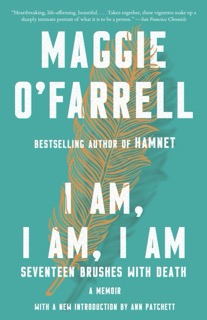
I Am, I Am, I Am: Seventeen Brushes With Death, by Maggie O’Farrell: Through seventeen essays, O’Farrell’s recounting of her multiple brushes with death at different ages create a celebration of her life.

I’m Mostly Here to Enjoy Myself: One Woman’s Pursuit of Pleasure in Paris, by Glynnis MacNicol: A recounting of MacNicol’s summer as a 40-something woman seeking a good time and sexual encounters in Paris offers a look at joy from a feminist perspective.
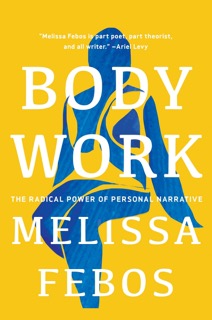
Body Work: The Radical Power of Personal Narrative, by Melissa Febos: Both a memoirist and a mentor, Febos chronicles her self-exploration as a writer while offering guidance to other writers.
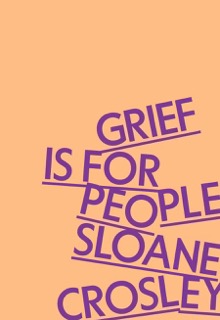
Grief is for People, by Sloane Crosley: Crosley grapples with complex emotions after a friend deliberately takes his own life.
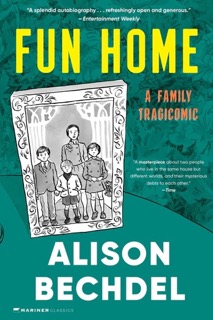
Fun Home: A Family Tragicomic, by Alison Bechdel: Bechdel’s graphic memoir shows how family secrets can reverberate throughout the lifespan.
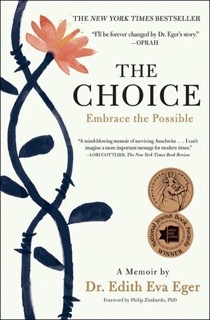
The Choice: Embrace the Possible, by Edith Eva Eger: This memoir recounts Eger’s survival of the holocaust and her quest to understand and heal from the lingering trauma.
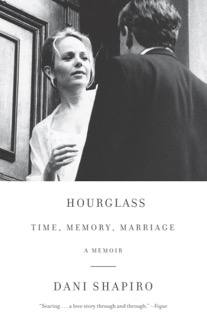
Hourglass: Time, Memory, Marriage, by Dani Shapiro: Shapiro takes a look at the details and her memories of her marriage, finding wonder in the everyday.
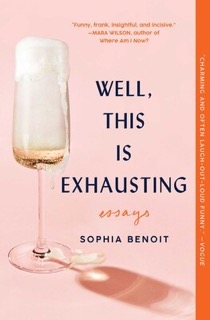
Well, This is Exhausting: Essays, by Sophia Benoit: Benoit chronicles her journey from being a “good girl” to becoming a modern-day feminist. As a recovering “good girl,” I could relate.
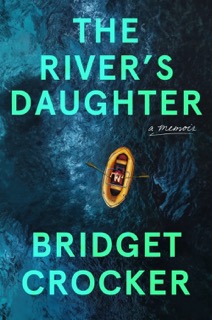
The River’s Daughter, by Bridget Crocker: The river flows through this vibrant story about a woman struggling to prove herself as a river guide while seeking healing after she’s abandoned by both parents.
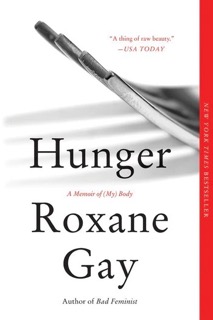
Hunger: A Memoir of (My) Body, by Roxane Gay: Gay explores the aftermath of violence to her body, examining her relationship with food, her body and trauma while confronting societal perceptions of fatness. The book delves into feminism, race and the journey to self-acceptance.
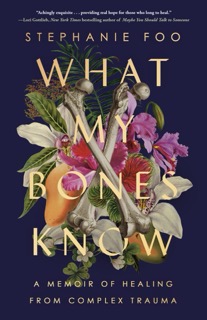
What My Bones Know: A Memoir of Healing from Complex Trauma, by Stephanie Foo: Foo struggles to understand the emotional aftermath of her parents’ desertion.
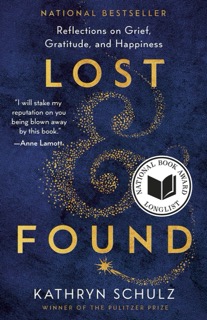
Lost and Found, by Kathryn Schulz: Schulz brings together disparate things in a quest to understand the loss of her father during the same period of time she found the love of her life.
The 77th Doctor, by Laurie Krause: Krause struggles to save her daughter from an undiagnosed disease that threatens to kill her.
I’m seeking memoirs to read in 2026, so if you have any suggestions, please add them in the comments!
 Melissa Lutz Blouin
Leave a comment